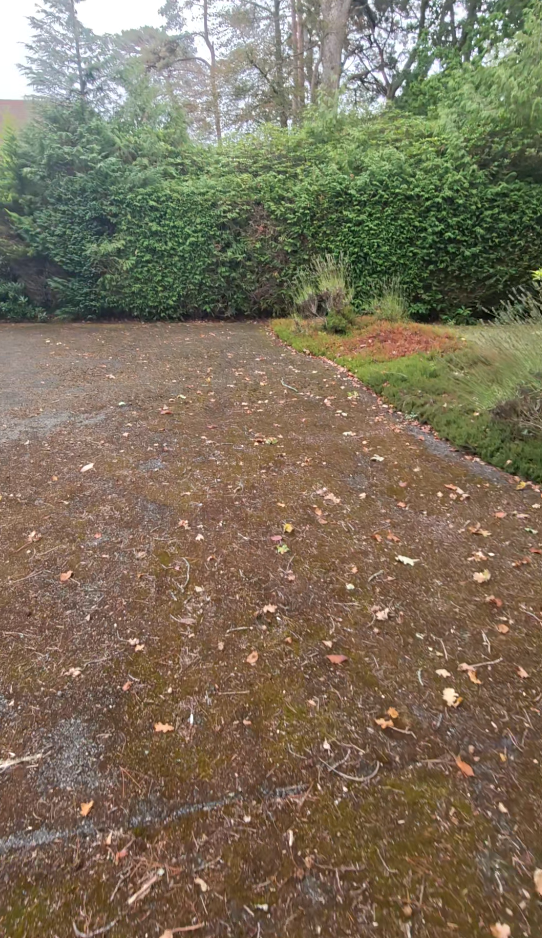
How to Remove Moss From Your Driveway
Light moss can usually be brushed off and kept at bay with regular sweeping. Established moss is best lifted mechanically first, then treated, rather than blasted at high pressure. Here is why moss grows, how to remove it from tarmac, block paving and patios, and how to slow it coming back.
Published 24 September 2026
Why does moss grow on driveways?
Moss needs moisture more than anything else. It establishes where a surface stays damp: shaded areas, ground under overhanging trees, corners with poor airflow and anywhere leaves and other organic debris are left to sit and hold water.
Read moreShow less
Autumn often brings a fresh flush of growth. Temperatures are still mild, rainfall increases and surfaces stay damp for much longer after each shower, which gives moss the conditions it prefers.
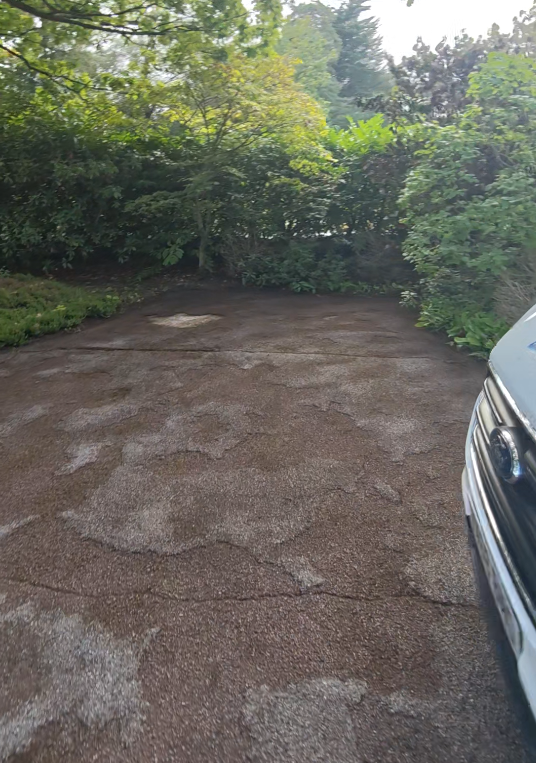
Why does moss become a problem?
For most homes the first issue is appearance. Moss also reduces grip when it is wet, which matters on slopes, steps and paths people use every day.
Read moreShow less
Moss holds moisture and tends to grow in existing cracks, joints and surface defects. Where tarmac is already cracked or worn, that retained moisture can contribute to faster deterioration, and winter freeze-thaw can worsen defects where water gets in. Moss on a sound surface does not inevitably cause structural damage, but it is worth keeping on top of.
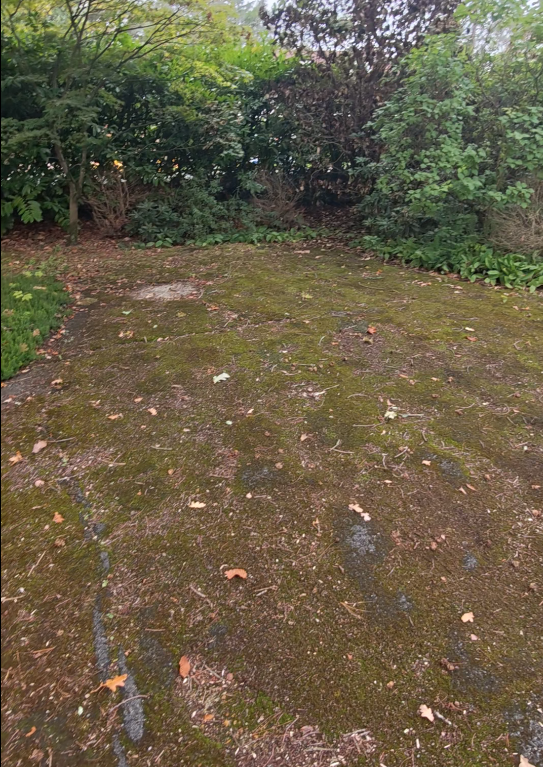
How to remove moss from a driveway
Light growth: a stiff brush and regular clearing of leaves and debris is often all that is needed. This is well within reach of most homeowners.
Read moreShow less
Established growth: thicker moss is best removed mechanically first, then followed by a suitable treatment for what remains. Professional cleaning makes sense where the area is large, the growth is heavy or you want a consistent finish across the whole surface.
Pressure washing can suit some surfaces, but excessive pressure can damage certain materials. This is particularly important with older tarmac, jointed paving and more delicate stone.
Is pressure washing the best way to remove moss?
Not always. The right method depends on the surface. On heavy moss we often use our Bristle Clean, a controlled rotary brushing method, to lift the bulk of the growth first. A treatment can then target the remaining organic growth, without relying on unnecessarily aggressive pressure.
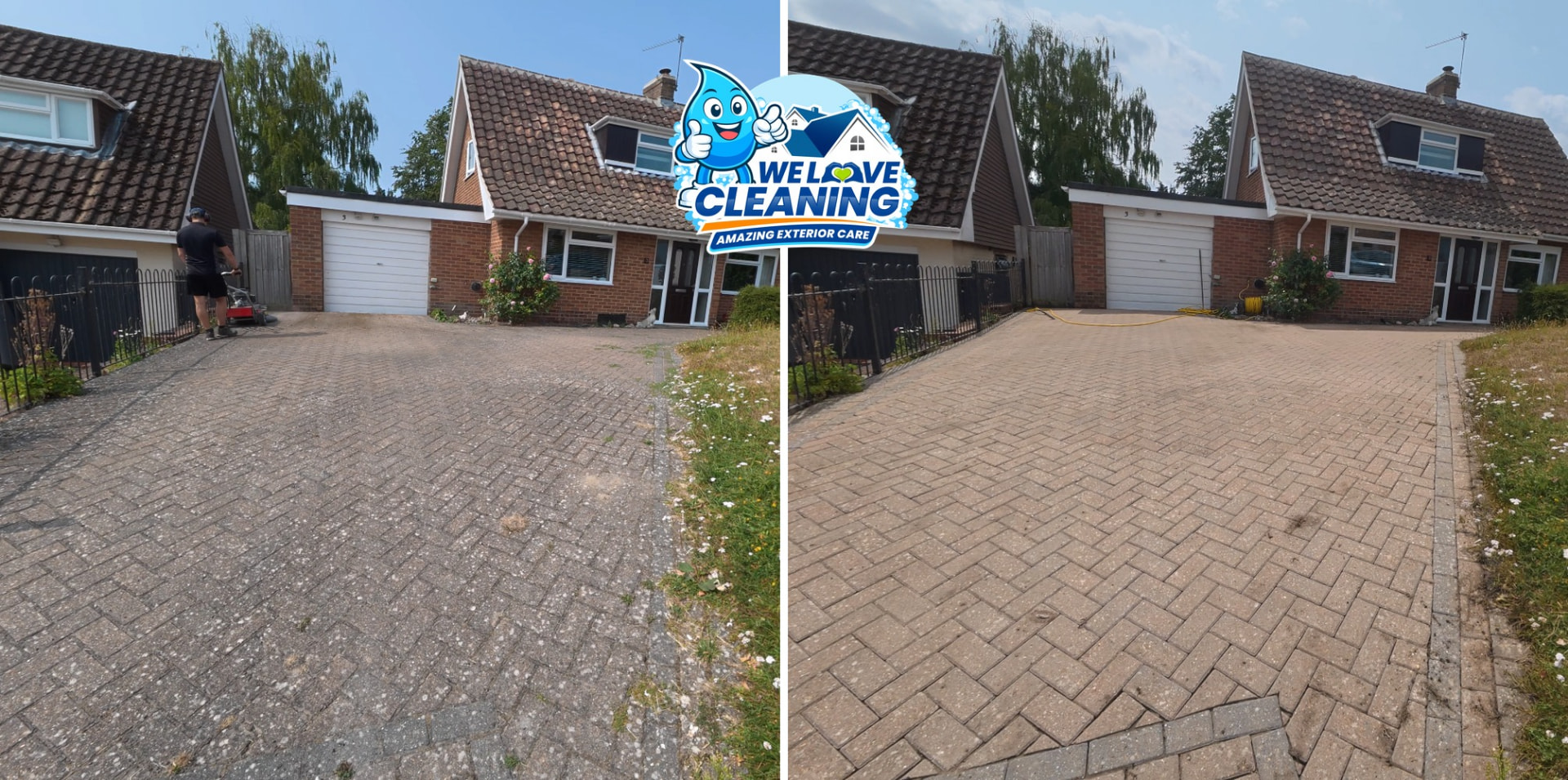
How to remove moss from tarmac
Tarmac needs a gentler approach than many people expect. Avoid unnecessarily aggressive pressure, which can loosen the surface aggregate. Remove the bulk of the growth carefully, then use a treatment suited to tarmac.
Read moreShow less
Once the moss is off, take a look at the surface. Existing cracks or worn areas are worth noting, as they are where moss and weeds are most likely to return first.
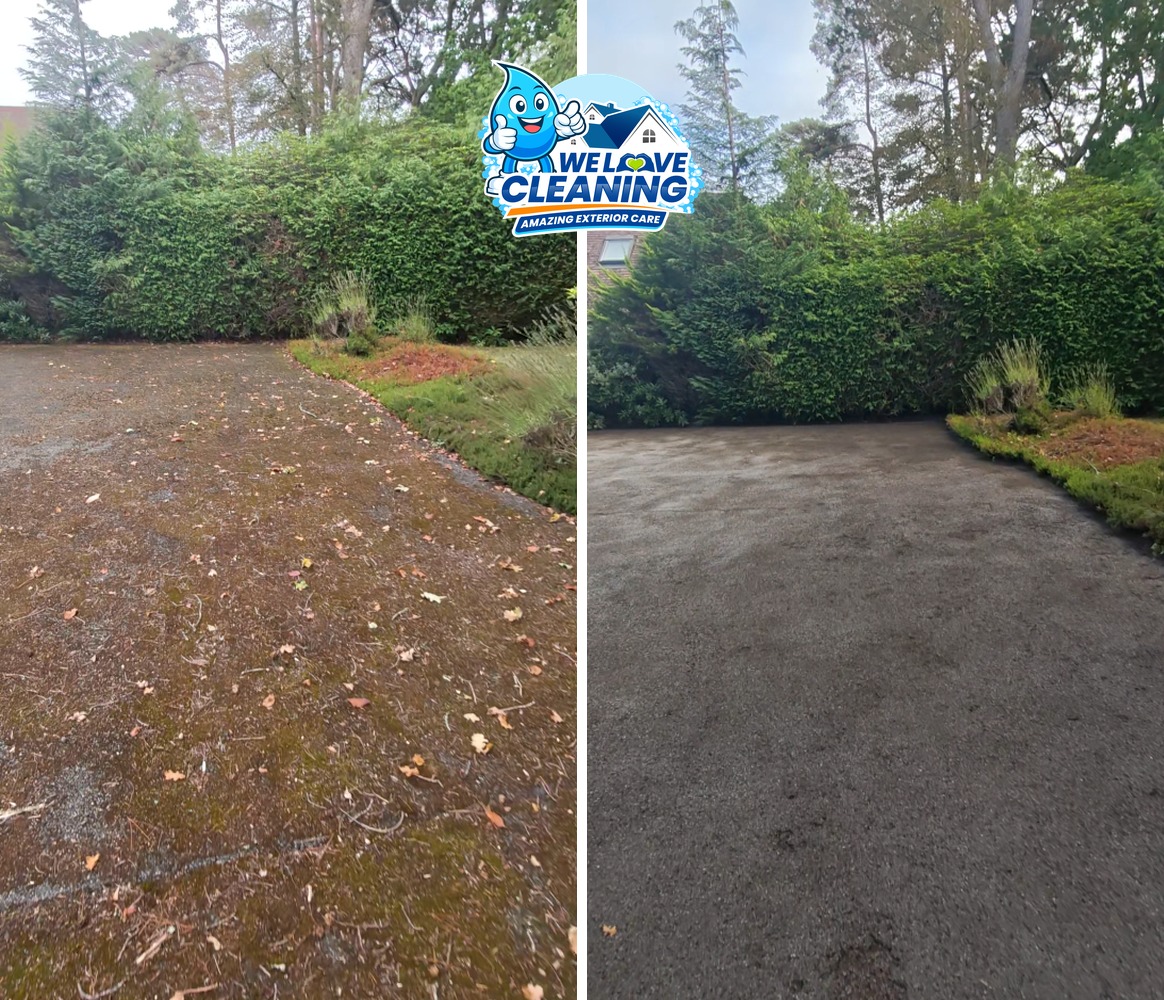
How to stop moss coming back
Sweep regularly and clear fallen leaves before they break down. Improve drainage where water sits, and reduce persistent shade where it is practical, for example by cutting back overhanging branches.
Read moreShow less
Periodic treatment helps, and so does routine maintenance. Dealing with light growth early is much easier than waiting until moss is heavily established.
Why autumn is a good time to deal with moss
Summer dryness often keeps visible growth in check. As the weather turns wetter and milder in autumn, organic growth tends to pick up again. Tackling it before winter improves the look of the driveway and reduces heavy build-up through the wetter months.